


Solitude is best sought from within, not in seclusion.

It is mistaken to withdraw into seclusion, deprive oneself of everything, and then claim to be virtuous; what counts is to live among society but still remain virtuous.

Music has countless properties, most of which have yet to be discovered.
My approach resembles a new field of medicine that is based on years of asceticism, experimentation, and research; in reality, it is the synthesis of my personal experience.

A pure heart shelters love and light, not hatred and darkness.

Music has an extraordinary effect on everything, even minerals and plants.

There are two things on which my time was well-spent: the tanbur and spiritual practice.

Life in this world revolves around one principle: respect for the rights of others.

In the process of spiritual perfection, selfishness, egoism, and conceit are among the worst flaws.

Good intentions alone have spiritual merit, even if the opportunity to actualize those intentions does not transpire.

A true human being is one who rejoices in the happiness of others and shares in their sorrows.

True meaning must be inherently realized; it cannot be conveyed through words.

The tanbur has a language of its own that resonates with contemplative thought.
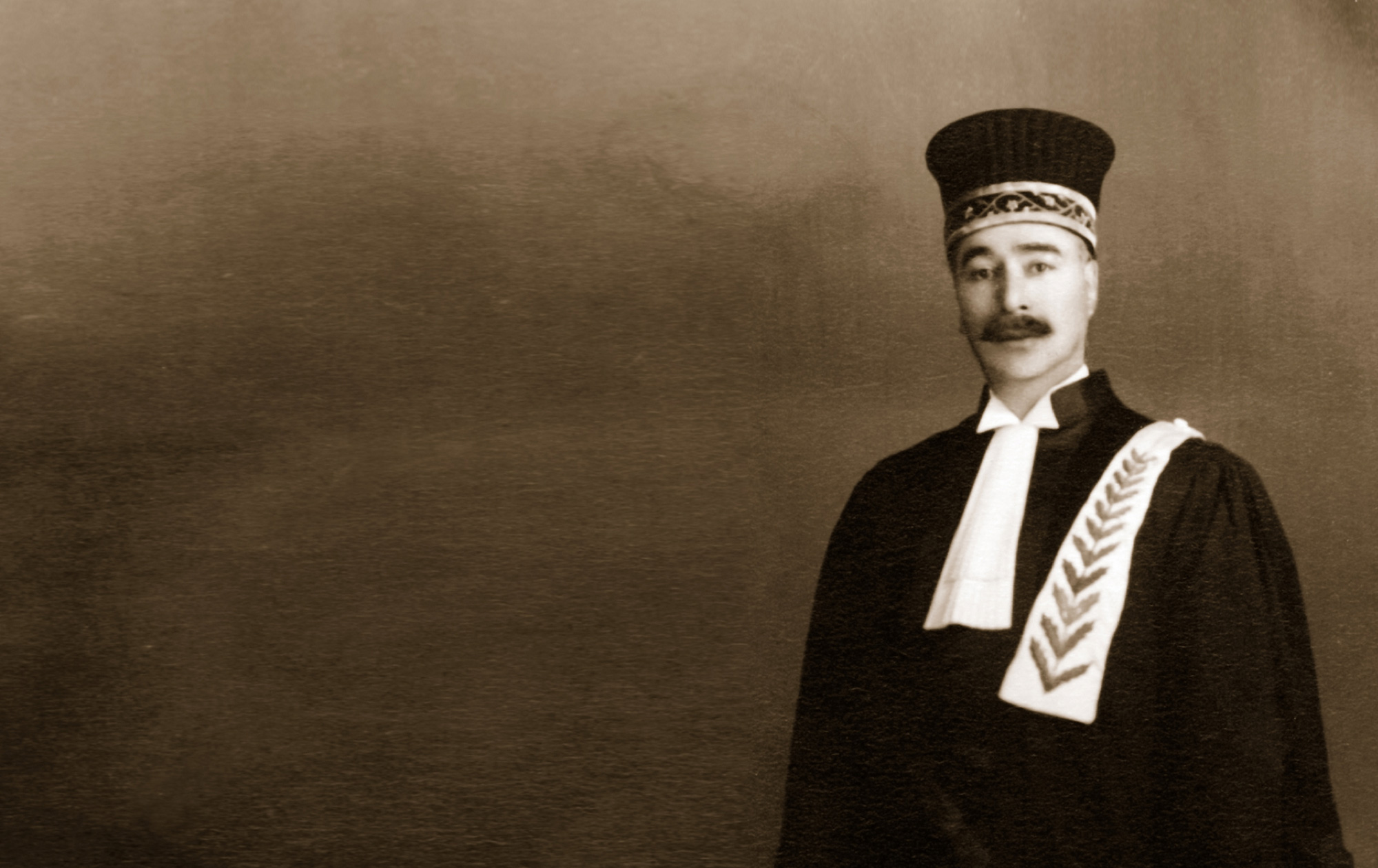
Throughout my tenure as a judge, I always sought to reform offenders rather than to exact retribution.

Chance and coincidence do not exist; there is a cause and a reason for everything.

The more we expand and deepen our knowledge, the more we become aware of our own insignificance.

Delve within, for therein lies the key to all that you seek.

What greater pleasure than being prepared to align oneself with His will.
This is not a path of words, but of deeds; only through action can progress be realized.

Regardless of our religion, what is expected of us is to be a true human being: one who has a good disposition, moral integrity, and sound intentions.
One should live in such a way so as to never have to conceal anything from anyone.
The spiritual journey can be summarized in two points: attention to the Source and service to others.
We have but one wish: that He enable us to always realize His will, and that His will be the source of our aspirations.

Willpower is the key to access all levels in spirituality.

"Truth" transcends any proof or persuasion; it stands as its own proof.
It is best to approach every circumstance in life with prudence.

The attributes that accompany one upon death are commensurate with the degree of one’s spiritual perfection.

Everything can be found within us; nothing stems from without.

The lower one’s level of knowledge, the greater one’s self-admiration.

Perseverance and steadfastness in any endeavor will eventually yield results.
Solitude is best sought from within, not in seclusion.

It is mistaken to withdraw into seclusion, deprive oneself of everything, and then claim to be virtuous; what counts is to live among society but still remain virtuous.
Music has countless properties, most of which have yet to be discovered.
My approach resembles a new field of medicine that is based on years of asceticism, experimentation, and research; in reality, it is the synthesis of my personal experience.
A pure heart shelters love and light, not hatred and darkness.
Music has an extraordinary effect on everything, even minerals and plants.
There are two things on which my time was well-spent: the tanbur and spiritual practice.
Life in this world revolves around one principle: respect for the rights of others.
In the process of spiritual perfection, selfishness, egoism, and conceit are among the worst flaws.
Good intentions alone have spiritual merit, even if the opportunity to actualize those intentions does not transpire.
A true human being is one who rejoices in the happiness of others and shares in their sorrows.
True meaning must be inherently realized; it cannot be conveyed through words.
The tanbur has a language of its own that resonates with contemplative thought.
Throughout my tenure as a judge, I always sought to reform offenders rather than to exact retribution.
Chance and coincidence do not exist; there is a cause and a reason for everything.
The more we expand and deepen our knowledge, the more we become aware of our own insignificance.
Delve within, for therein lies the key to all that you seek.
What greater pleasure than being prepared to align oneself with His will.
This is not a path of words, but of deeds; only through action can progress be realized.
Regardless of our religion, what is expected of us is to be a true human being: one who has a good disposition, moral integrity, and sound intentions.
One should live in such a way so as to never have to conceal anything from anyone.
The spiritual journey can be summarized in two points: attention to the Source and service to others.
We have but one wish: that He enable us to always realize His will, and that His will be the source of our aspirations.
Willpower is the key to access all levels in spirituality.
"Truth" transcends any proof or persuasion; it stands as its own proof.
It is best to approach every circumstance in life with prudence.
The attributes that accompany one upon death are commensurate with the degree of one’s spiritual perfection.
Everything can be found within us; nothing stems from without.
The lower one’s level of knowledge, the greater one’s self-admiration.
Perseverance and steadfastness in any endeavor will eventually yield results.
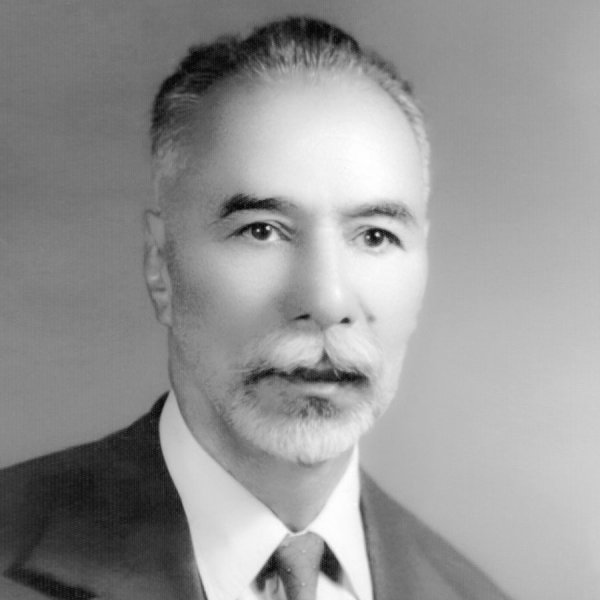
Об Остаде Элахи
Остад Элахи (1894-1974)
Остад Элахи был влиятельным мыслителем, судьей и музыкантом, основателем инновационного подхода к самопознанию и экзистенциального поиска смысла. Его удивительный жизненный путь начался в отдалённой деревне на западе Ирана, где он родился и был приобщён отцом к мистической жизни, пропитанной вековыми аскетическими практиками. Затем, оставив созерцательную жизнь, чтобы подвергнуть свои этические принципы жизненному испытанию, он поступил на государственную службу и посвятил себя служению обществу в качестве судьи. После выхода на пенсию он написал несколько научных трактатов на основе собственных исследований и личного опыта. Стремясь в своих работах извлечь квинтэссенцию великих религиозных традиций, он разработал универсальный подход к духовному совершенствованию, совместимый с жизнью и менталитетом современного человека.
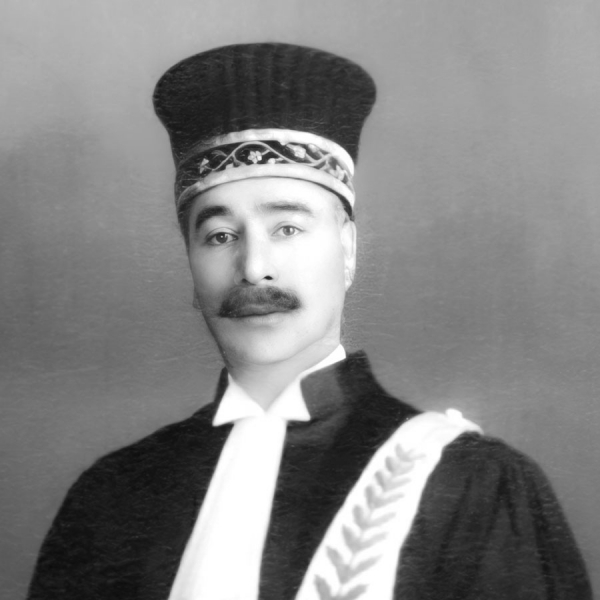
Судейская карьера
В то время как большинство мистиков оставляли мирскую жизнь, чтобы вести созерцательную жизнь в уединении, Остад Элахи сделал прямо противоположное: он отказался от уже предначертанной ему жизни, посвященной аскетической практике и медитации, чтобы испытать новый подход к духовности, целью которого было постоянное внимание к Источнику в рамках обычной жизни в обществе. Поэтому, поступив на государственную службу в 1930 году, он отказался не только от затворнического образа жизни, но и от традиционной концепции мистицизма. Эта новая среда дала ему возможность отточить свою систему мысли и подвергнуть испытанию ее этические принципы.
Философия
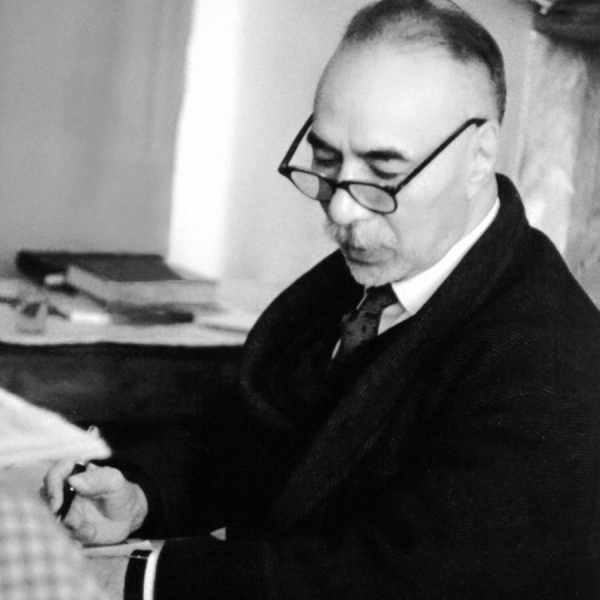
Согласно Остаду Элахи, человеческое существо есть нечто большее, чем физическое тело, наделенное интеллектом. Реальное я человека (или «душа»), не ограничивается биологическим существованием и не заканчивается смертью тела. Наделенное разумом, силой воли и нравственным чувством, это я обладает удивительной способностью к трансформации и достижению высшего состояния, которое Остад Элахи считает истинной целью нашего существования и называет «Совершенством».
Опираясь на квинтэссенцию подлинных религий и вдохновленные ими традиции великой мудрости, Остад Элахи разработал четкий и системный подход, основанный на практике этики и самопознании. Он описал когнитивные и духовные процессы, необходимые для осуществления процесса духовного совершенствования, чтобы полностью реализовать свою человечность и приобрести качество, необходимое для возвращения к своему Истоку.
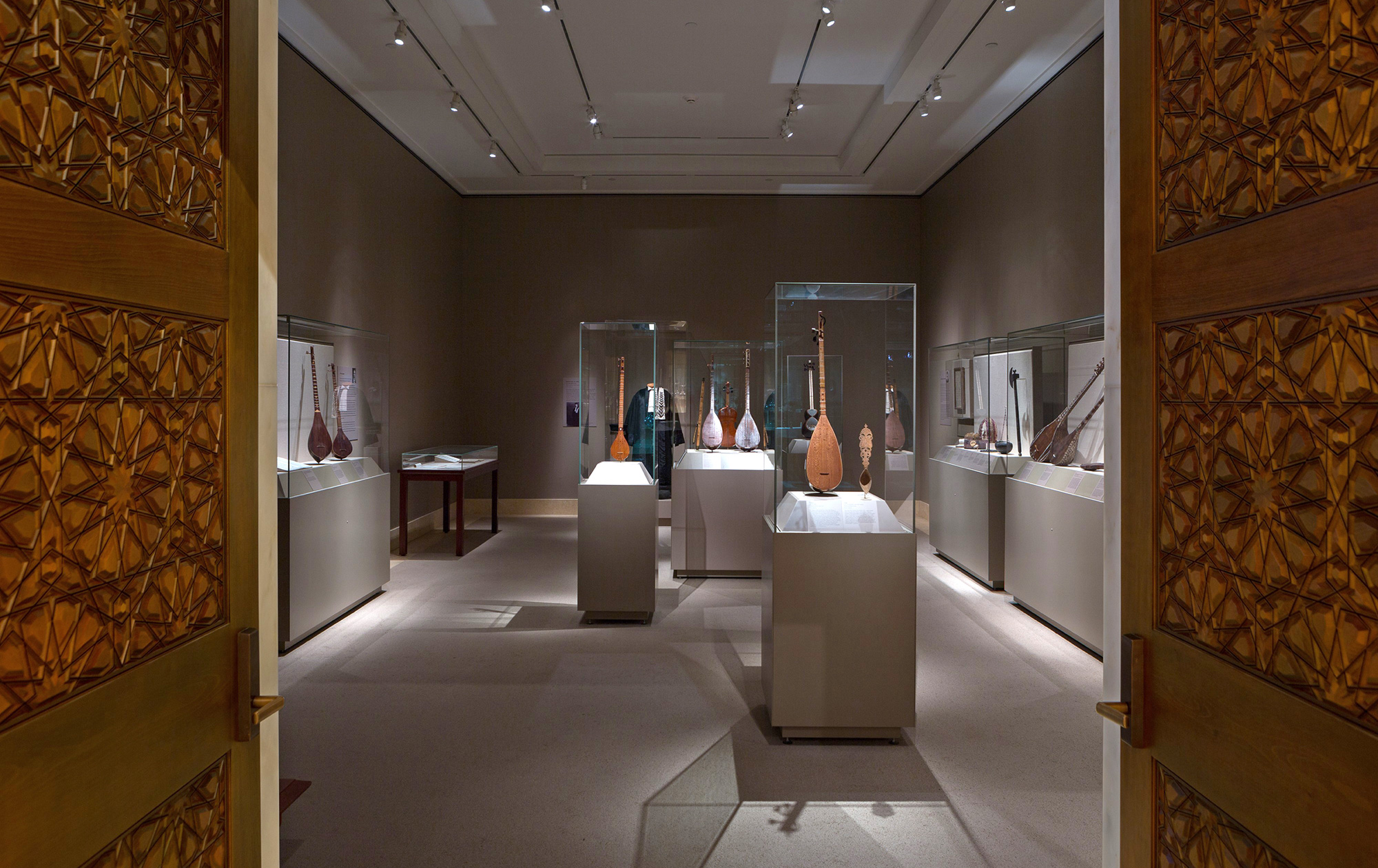
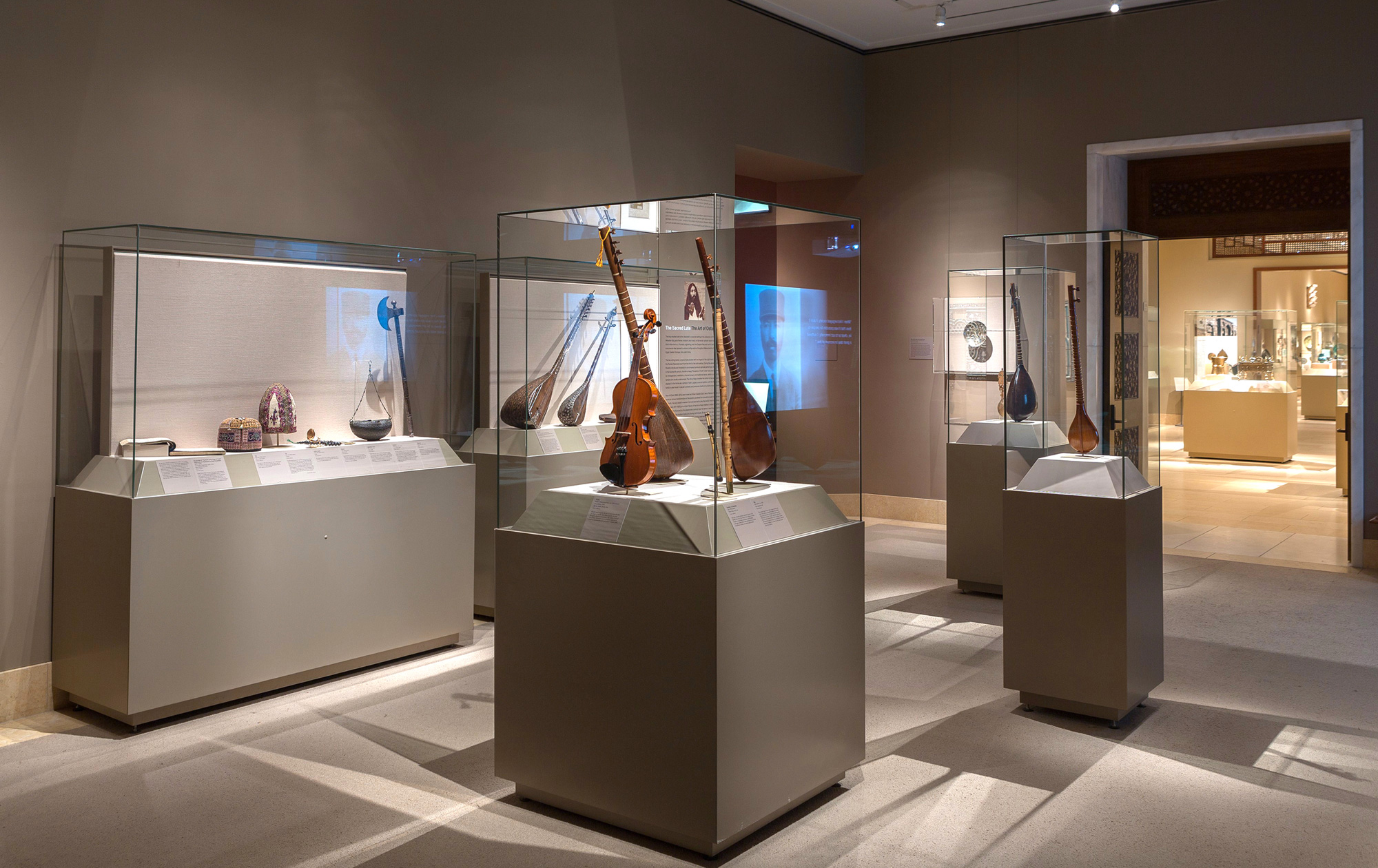
Musical Influence
By the age of nine, Ostad was already recognized as a peerless
master of the tanbur, an ancient Kurdish lute reserved for
devotional purposes. Not only did Ostad transform the art of
tanbur through his modifications to the instrument—adding a
third string, innovating new playing techniques using the
fingers of both hands, and introducing a novel resonance
tuning—but he also elevated this ancient musical tradition to a
learned art form by assembling a repertoire of over a hundred
pieces. Ultimately, the profound impact of Ostad’s music
reflects the embodiment of a lifelong pursuit of self-knowledge
in the quest for existential meaning and transcendence.
